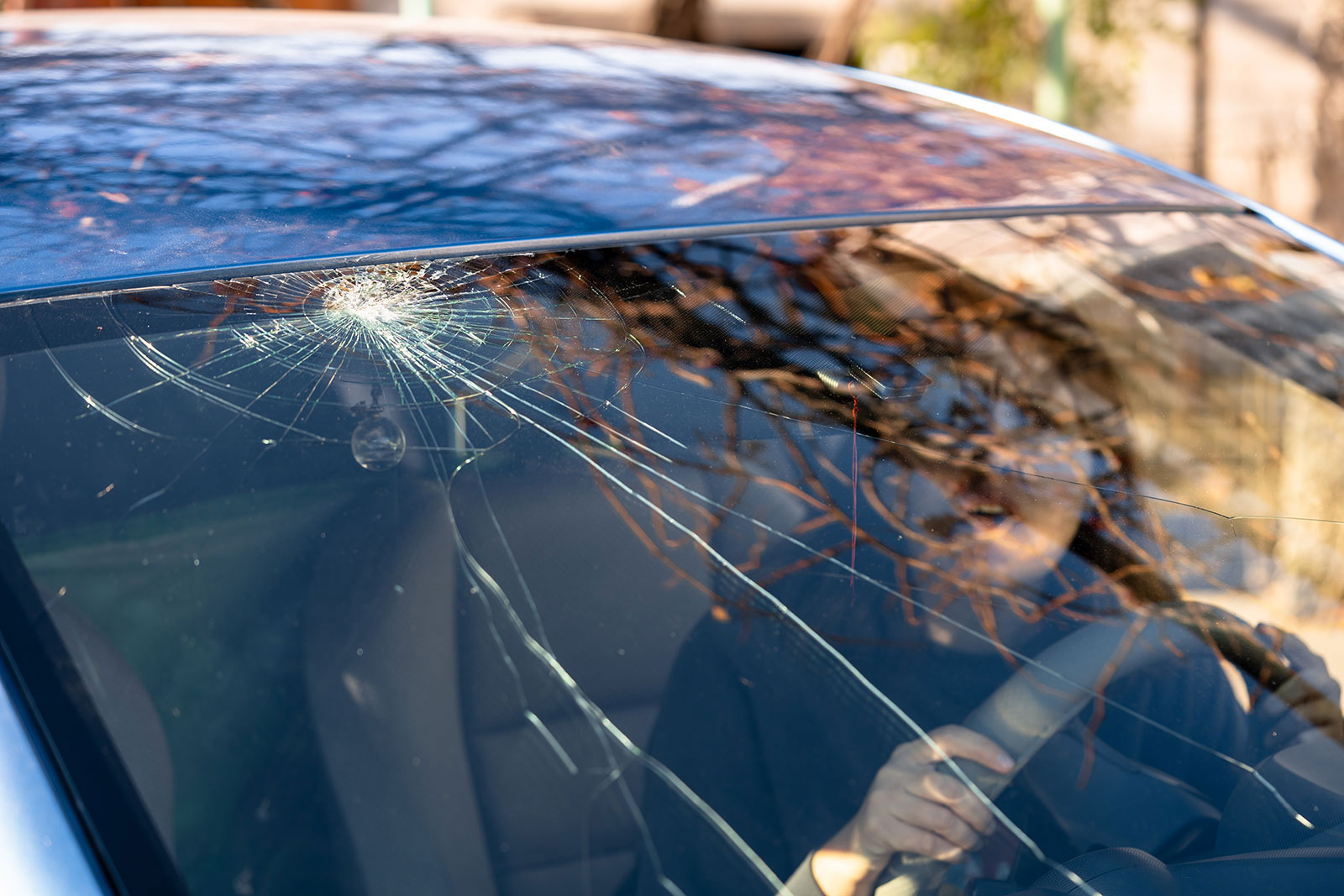
People usually ask this with a coin in their hand. The coin test is a decent start, but the honest answer is that whether a crack can be repaired depends on three things, and size is only one of them. Here are the limits we actually work to.
1. Size
Chips: anything up to about the size of a toonie (28 mm) repairs well. Bullseyes and half-moons repair best; star breaks with short legs repair well; combination breaks are fine if they have not started to run.
Cracks: a single crack up to roughly 15 centimetres, about the length of a business card, can usually be repaired if it meets the location rules below. Some shops will attempt longer cracks. We generally will not, because the repair becomes visible and the strength recovery drops off. Past about 15 cm you are better off with a replacement, and your insurer will usually agree.
2. Location
This is the one that overrides size.
- Edge of the glass: a crack that starts at or reaches within about 5 cm of the edge cannot be reliably repaired. The edge is where the glass is under the most stress, and a repaired edge crack tends to run again.
- Driver's line of sight: repairable, but a faint mark will remain, and some drivers find it distracting. We will tell you honestly what it will look like.
- In front of the forward camera or rain sensor: not repairable in practice. Even a good repair changes how light passes through that patch of glass, and the camera looks through it. Replace and recalibrate.
- Inner layer damage: if the crack has gone through to the inside layer of the laminate (you can feel it with a fingernail from inside the car), it is a replacement.
3. Age and contamination
A fresh chip repairs almost invisibly. A chip that has been open for a month has dirt, road salt and moisture in the break, and the resin cannot bond to dirt. It will still stop the crack from spreading, but the mark will be more visible. A chip that has been through several freeze-thaw cycles has usually already grown legs.
This is why the same chip is a 30-minute repair in October and a full replacement in January in Ottawa. Overnight cold followed by a hot defroster stresses the glass every morning, and each cycle is a chance for the break to run.
The repair itself
We clean the break, pull a vacuum on it with a bridge tool, inject an optically matched resin under pressure, and cure it under UV light. The whole thing takes about 30 minutes, and you drive away immediately. A good repair restores most of the original strength and leaves a faint mark you have to look for. More on how rock chip repair works.
Why bother with repair at all?
Cost and the original glass. A repair costs a fraction of a replacement, most Ontario comprehensive policies waive the deductible for it, and you keep the factory glass and the factory seal. A replacement, done well, is as good as new, but on a vehicle with a windshield camera it also means a recalibration. The best windshield is the one you already have, repaired early.
Common questions
Can a 6-inch crack be repaired?
Sometimes, if it starts away from the edge and is not in front of a sensor. Anything much longer than a business card is usually replaced.
Can you repair a crack that reaches the edge of the windshield?
No, not reliably. Edge cracks are under the most stress and tend to run again after repair.
Will a repaired chip be invisible?
Nearly, if it is fresh. Older or dirty chips leave a more visible mark but still stop the spread.
Related
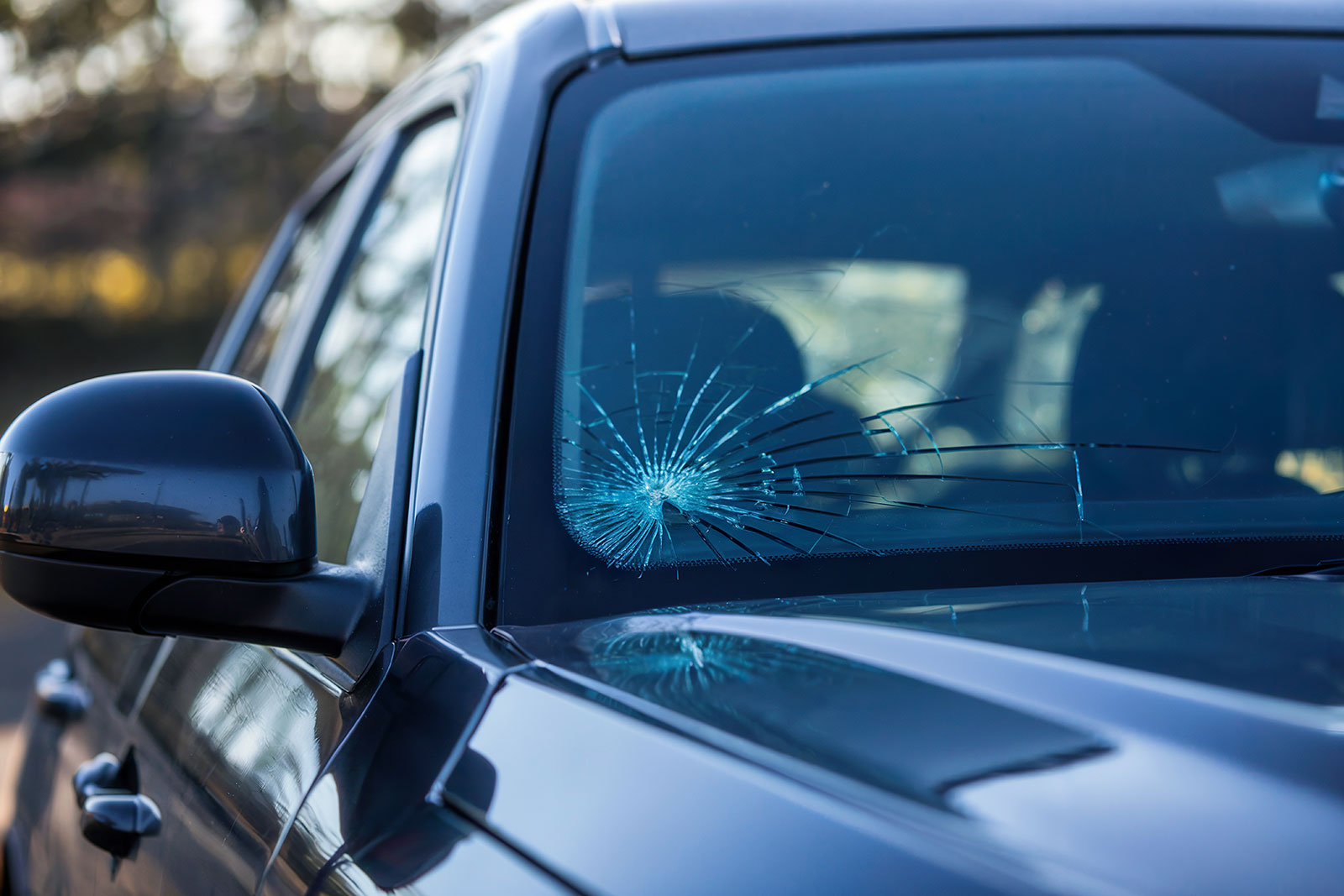
Is It Safe to Drive With a Cracked Windshield in Ontario?
A crack looks cosmetic. It is not. Here is what it does to the structure of the car, when it becomes a ticket in Ontario, and how long you realistically have before repair stops being an option.
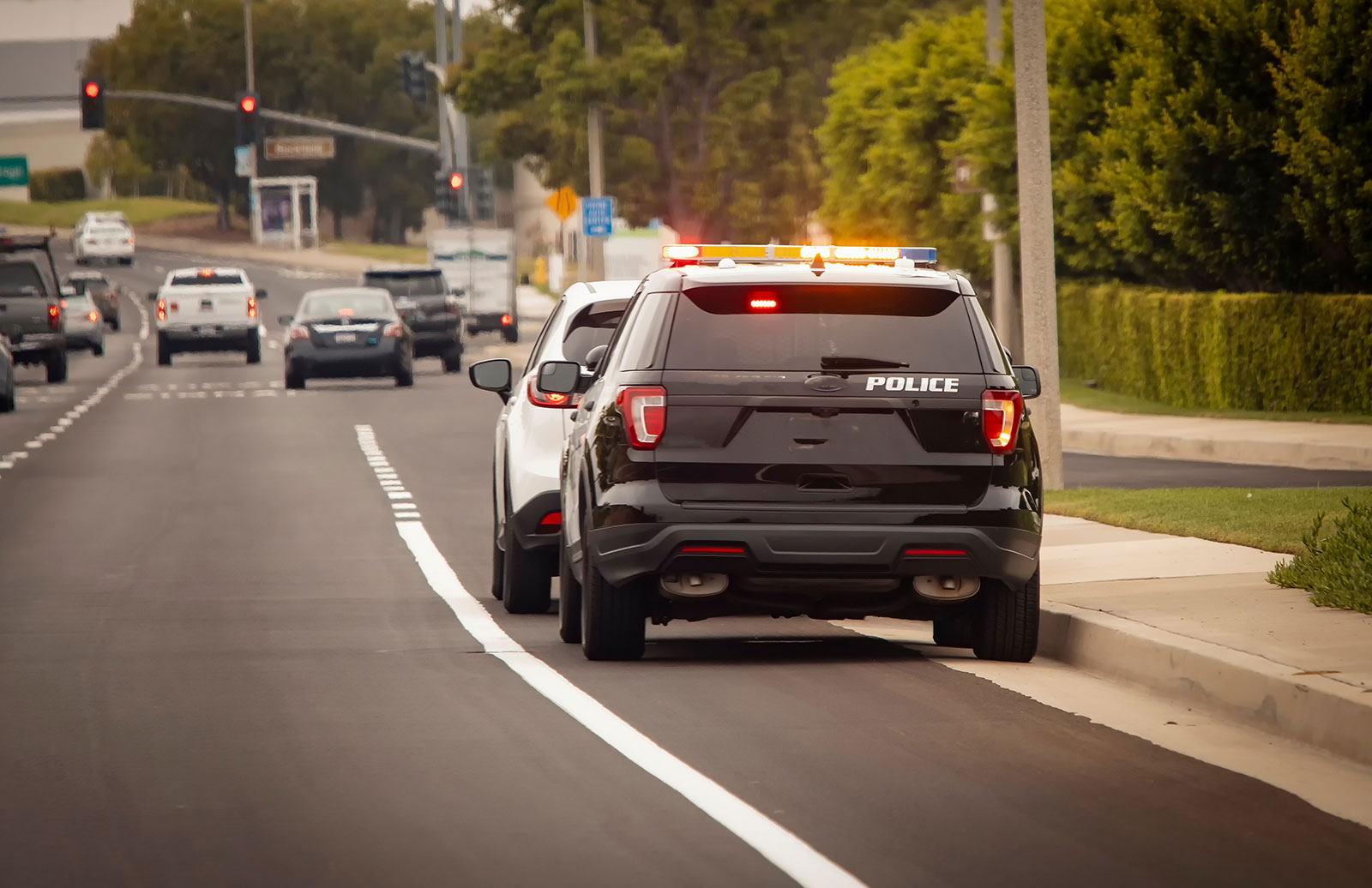
Can You Get a Ticket for a Cracked Windshield in Ontario?
Ontario does not set a crack length. It sets a visibility standard, and police apply it to the driver's side of the glass. Here is where the line is and what it costs to cross it.
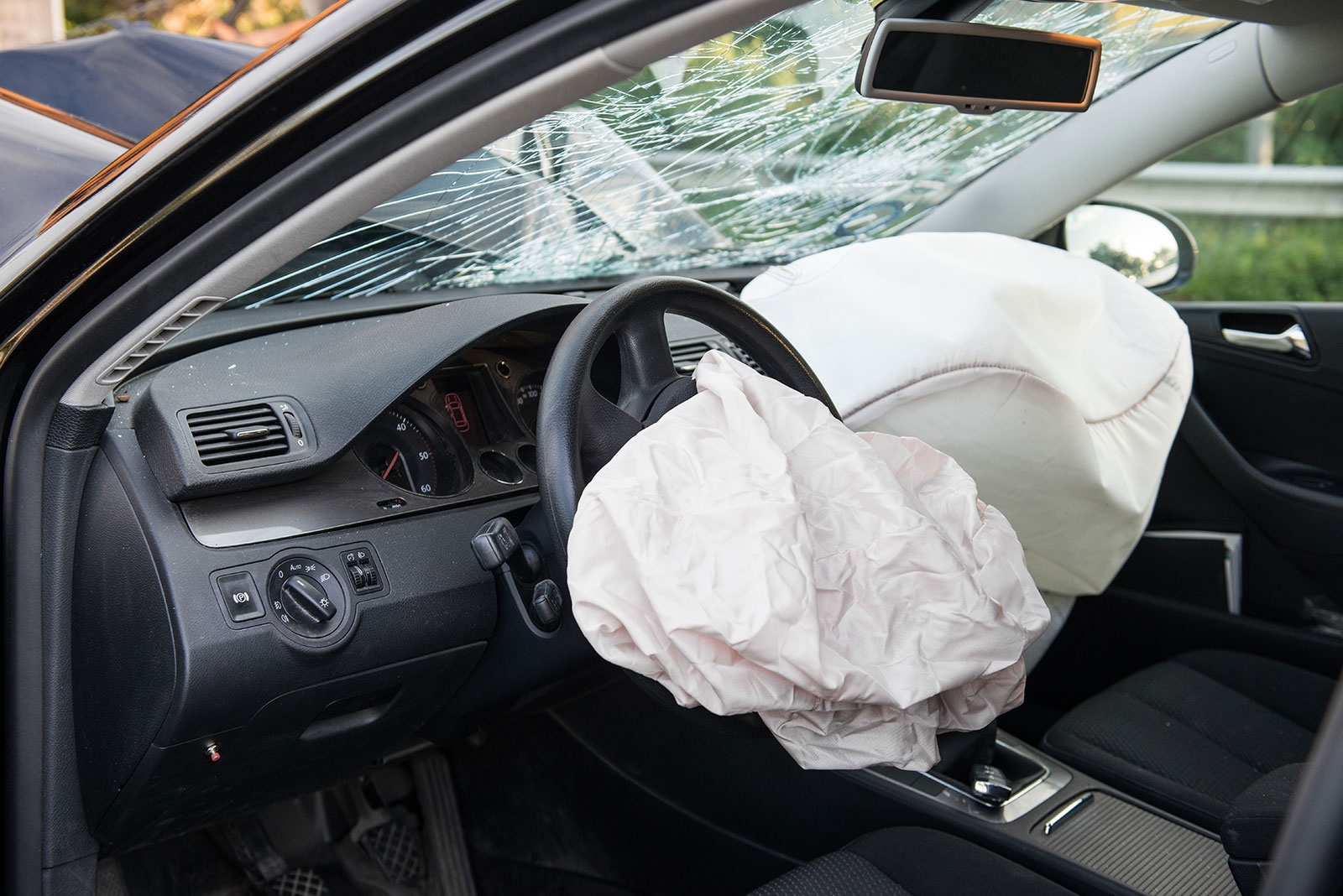
Does Insurance Cover Windshield Replacement in Ontario?
Usually yes, if you carry comprehensive. Here is what that means, what the deductible looks like, why chip repairs are often free, and the one right most drivers do not know they have.