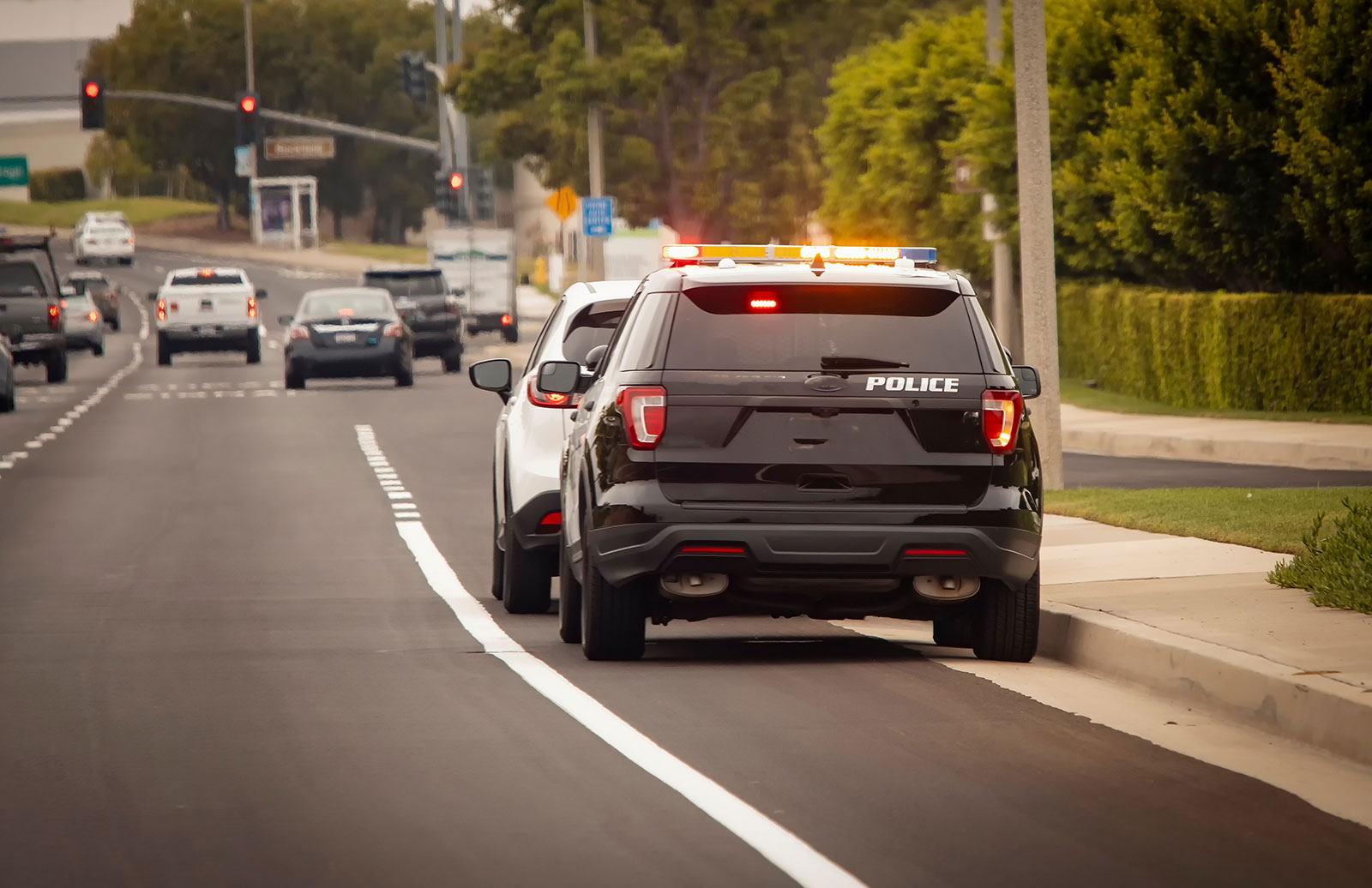
Short version: yes. Ontario does not publish a maximum crack length, but the Highway Traffic Act prohibits driving a vehicle whose windshield obstructs the driver's clear view, and a crack in the wrong place qualifies. Here is how it is applied, what it costs, and how it plays into selling or re-registering a car.
What the law says
The relevant provisions are in the Highway Traffic Act and its equipment regulations. They require that the windshield be in a condition that gives the driver a clear and unobstructed view forward, and they give police the discretion to decide what "obstructed" means on the road. Most officers apply it the same way: damage in the area swept by the driver's side wiper is a problem; damage confined to the passenger side or the top tint band is not, unless it is severe.
The ticket itself is an equipment offence with a fine in the low hundreds of dollars. The bigger cost is usually what comes with it: an order to repair, and in some cases a vehicle inspection requirement.
What police actually look for
- Cracks that cross the driver's line of sight, especially long ones that reach the edge.
- Spidered impact points anywhere on the driver's half of the glass.
- Multiple cracks, or a crack that has clearly been there a long time (dirt in the crack line is a giveaway).
- Anything that catches headlights at night. A crack you barely notice by day is obvious to an officer behind you after dark.
A single small chip is not going to get you pulled over. A 30-centimetre crack running through the wiper sweep might, particularly during a seasonal commercial vehicle blitz or a routine stop for something else.
Safety Standards Certificates and used car sales
The place a cracked windshield most often bites Ontario drivers is not a roadside stop but a Safety Standards Certificate inspection. When you sell a used car, or bring a car into Ontario from another province, it needs a safety certificate, and the inspection standard fails windshields with cracks in the driver's viewing area or cracks that run to the edge. A licensed mechanic cannot pass it. If you are planning to sell, replace the glass first; the buyer's inspection will find it either way.
Commercial vehicles
If you drive for work, the standard is stricter and enforcement is more regular. Commercial vehicle inspections treat windshield damage in the driver's view as a defect, and fleet operators can be cited. Fleet windshield replacement is routine for us; we can do several vehicles in one mobile visit.
What to do about it
Chips and short cracks that start away from the edge can usually be repaired in about 30 minutes, and a good repair removes the obstruction. Longer cracks, cracks at the edge, and anything in front of a forward camera need replacement. On an Ontario policy with comprehensive coverage, either one is typically covered, with the deductible often waived for repair. How the claim works.
The cheapest outcome, by a wide margin, is fixing the chip before it becomes the crack that gets you stopped.
Common questions
How much is the fine for a cracked windshield in Ontario?
It is an equipment offence with a fine in the low hundreds of dollars, and the officer can order the windshield repaired.
Will a cracked windshield fail a safety inspection in Ontario?
Yes, if the crack is in the driver's viewing area or runs to the edge of the glass. Replace it before selling the vehicle.
Is a chip on the passenger side a ticket?
Almost never. The law is about the driver's view. Fix it anyway before it spreads.
Related
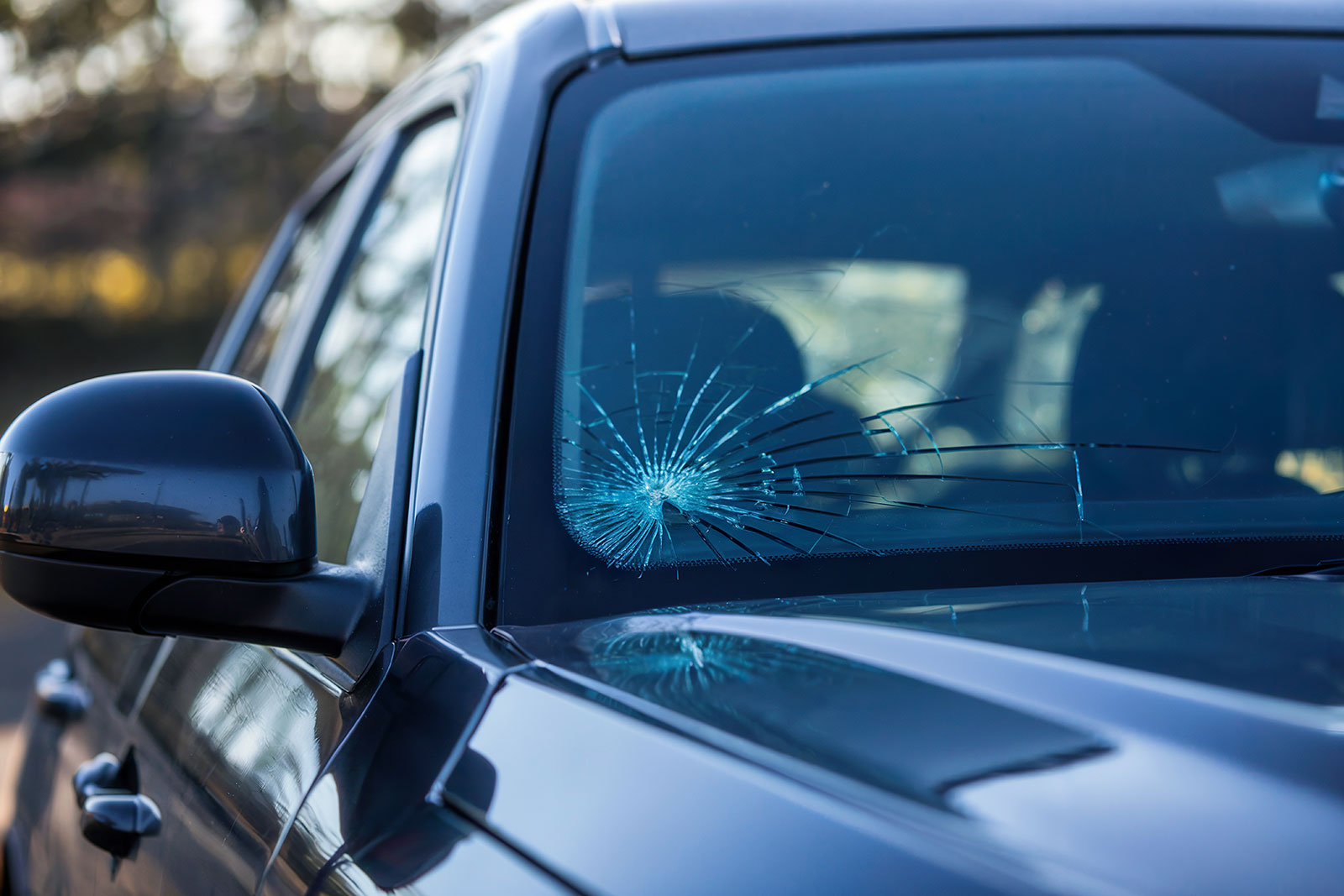
Is It Safe to Drive With a Cracked Windshield in Ontario?
A crack looks cosmetic. It is not. Here is what it does to the structure of the car, when it becomes a ticket in Ontario, and how long you realistically have before repair stops being an option.
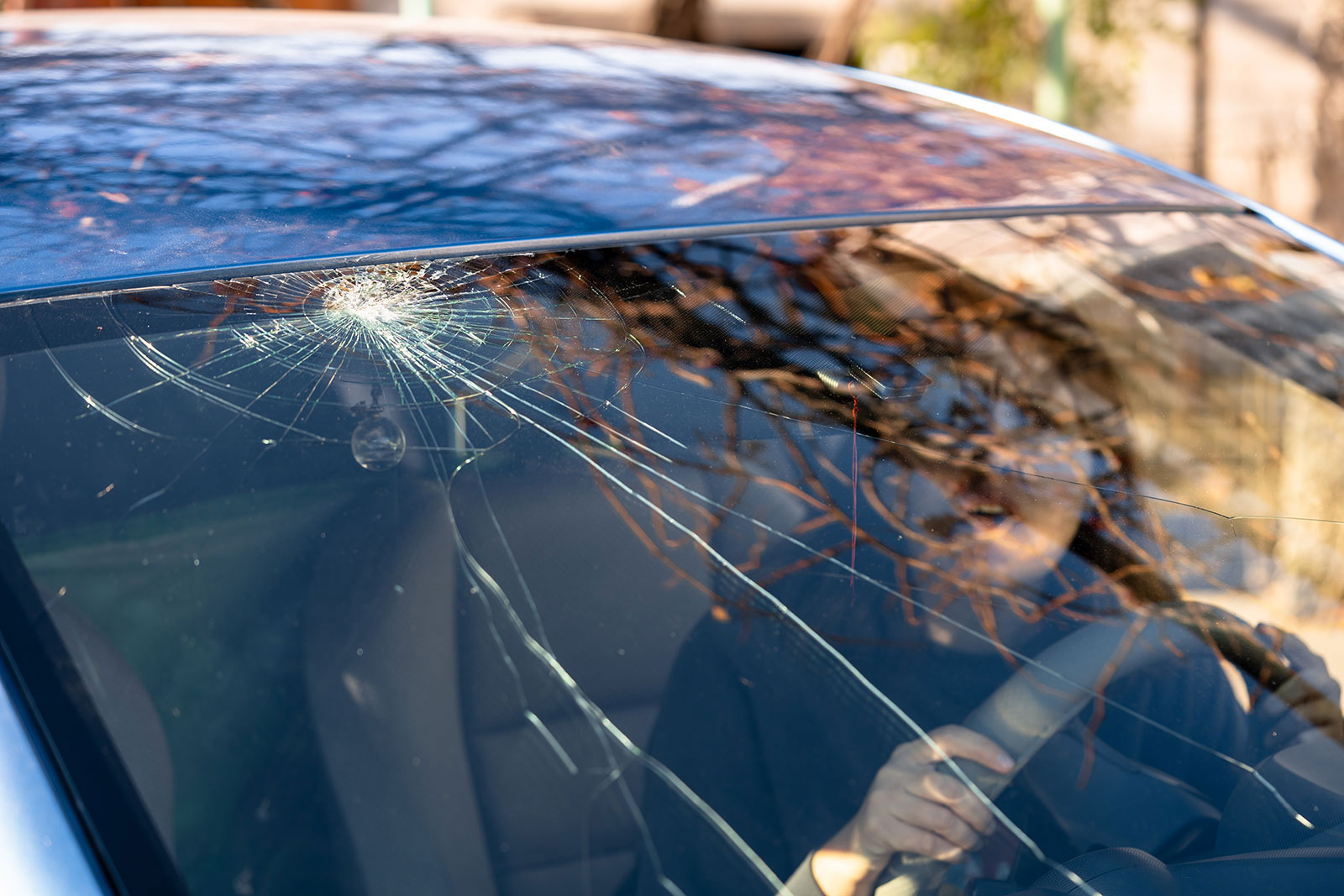
How Big a Crack Can Be Repaired on a Windshield?
Size matters less than location and age. Here are the actual limits we work to, the damage types that repair well, and the ones that do not.
Does Insurance Cover Windshield Replacement in Ontario?
Usually yes, if you carry comprehensive. Here is what that means, what the deductible looks like, why chip repairs are often free, and the one right most drivers do not know they have.